April 11, 2026
How Many Acres Do You Really Need for a Zero-Turn Mower?
It's the most common question we get: how big does my property need to be before a zero-turn makes sense? There's no hard cutoff, but there is a practical answer based on time saved, terrain, and how much trimming you do.
The rough thresholds
- Under ½ acre: a good push or small riding mower is often plenty. A zero-turn can still be nice, but it's a want, not a need.
- ½ to 1 acre: a zero-turn starts paying off in time saved each week, especially with obstacles.
- 1 to 3 acres: the time savings become significant, this is the heart of the residential/prosumer zero-turn market.
- 3+ acres: a wider-deck, heavier-duty machine is well worth it.
Terrain and obstacles change the math
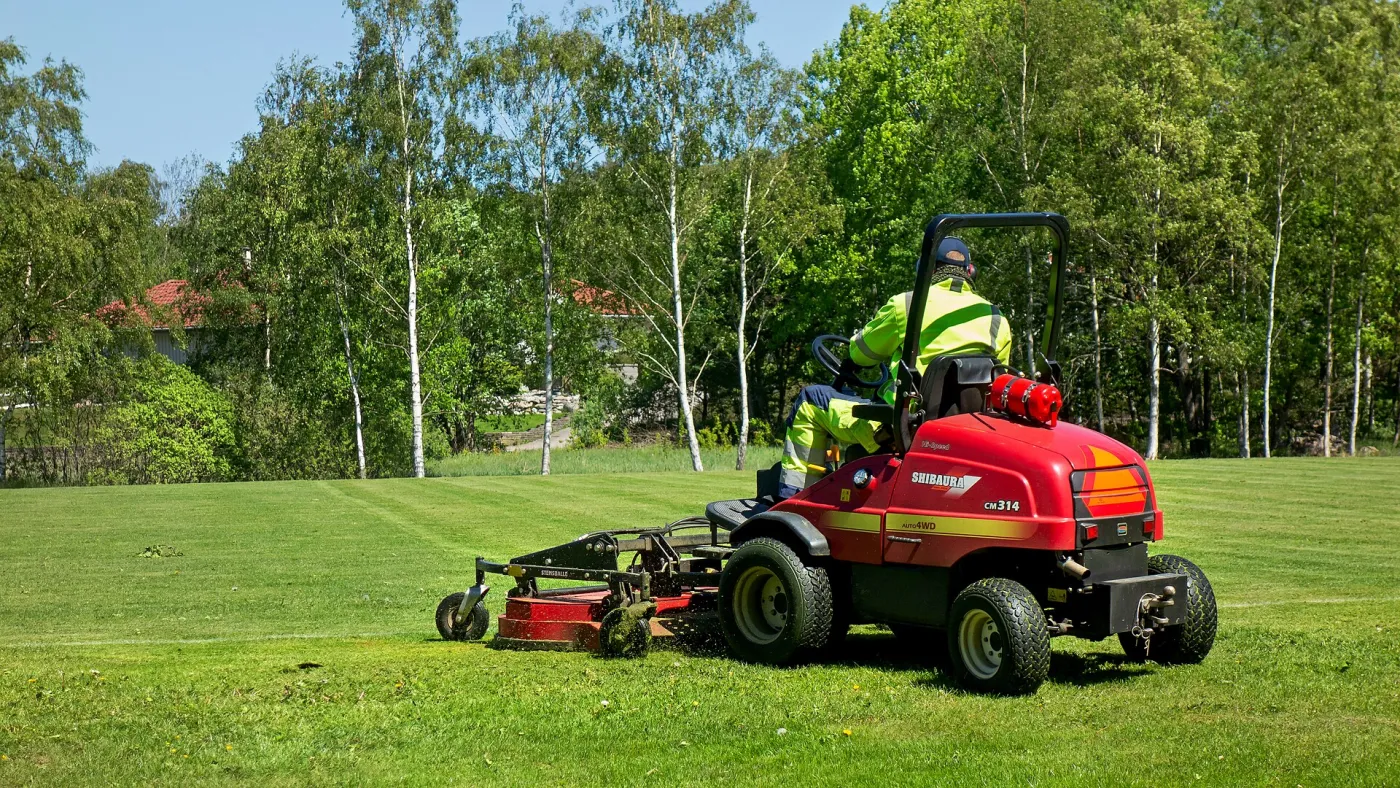
Acreage isn't the whole story. A ½-acre lot packed with trees, beds, and a playset can take longer than a flat open acre, and that's exactly where a zero-turn's maneuverability (and a front-mount deck's reach) saves the most time. Lots of trimming favors a zero-turn even on smaller properties.
Don't overbuy the deck
Bigger isn't always better. A 60" deck is fast on open ground but awkward through a standard gate or around tight landscaping. Match deck width to your usable mowing area and access points. Our buyer's guide walks through sizing step by step.
From about half an acre up, sooner if you've got obstacles, a zero-turn earns its place. Below that, be honest with yourself about whether you're buying time savings or a toy. Either is fine; just know which.